

-
Hass Florida Avocado Tree, Grafted
Regular price From $49.95 USDRegular priceUnit price $89.95 per item$69.95 USDSale price From $49.95 USDSale -
Wurtz or Little Cado Dwarf Avocado Tree
Regular price From $49.95 USDRegular priceUnit price per$69.95 USDSale price From $49.95 USDSale -
Brogdon Avocado Tree, Cold Hardy, Grafted
Regular price From $49.95 USDRegular priceUnit price per$49.95 USDSale price From $49.95 USD -
Oro Negro Black Gold Avocado Tree, Grafted
Regular price From $44.95 USDRegular priceUnit price per$49.95 USDSale price From $44.95 USDSale -
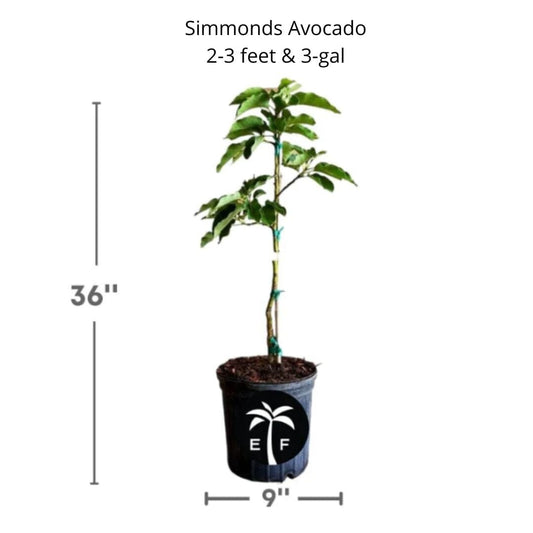
Simmonds Avocado, Semi-Dwarf Tree, Grafted
Regular price From $44.95 USDRegular priceUnit price per$59.95 USDSale price From $44.95 USDSale -
Winter Mexican Avocado Tree, Grafted
Regular price From $47.95 USDRegular priceUnit price $89.95 per item$69.95 USDSale price From $47.95 USDSale -
Russell Long Neck Avocado Tree Grafted
Regular price From $44.95 USDRegular priceUnit price per$69.95 USDSale price From $44.95 USDSale -
Hass California Avocado Tree, Grafted
Regular price From $44.95 USDRegular priceUnit price $89.95 per item$59.95 USDSale price From $44.95 USDSale -
Catalina Avocado Tree, Grafted
Regular price From $44.95 USDRegular priceUnit price per$59.95 USDSale price From $44.95 USDSale -
Mexicola Grande Avocado Tree, Grafted
Regular price From $49.95 USDRegular priceUnit price per$49.95 USDSale price From $49.95 USD -
Choquette Avocado Tree Grafted
Regular price From $89.95 USDRegular priceUnit price per$109.95 USDSale price From $89.95 USDSale -
Donnie Avocado Tree Grafted
Regular price From $72.77 USDRegular priceUnit price per$129.95 USDSale price From $72.77 USDSale -
Lula Avocado Tree, Grafted
Regular price From $39.95 USDRegular priceUnit price per$54.95 USDSale price From $39.95 USDSale -
Monroe Avocado Tree, Grafted
Regular price From $39.95 USDRegular priceUnit price per$69.95 USDSale price From $39.95 USDSale -
Oh La La Super Hass Avocado Tree, Grafted
Regular price From $44.95 USDRegular priceUnit price per$54.95 USDSale price From $44.95 USDSold out -
Bacon Avocado Tree, Semi-Cold Hardy, Grafted
Regular price From $47.95 USDRegular priceUnit price per$54.95 USDSale price From $47.95 USDSale -
 Sold out
Utuado Dwarf Avocado Tree, Grafted
Regular price $89.95 USDRegular priceUnit price per$119.95 USDSale price $89.95 USDSold out -
Day Avocado Tree, Grafted
Regular price From $39.95 USDRegular priceUnit price per$69.95 USDSale price From $39.95 USDSale -
 Sold out
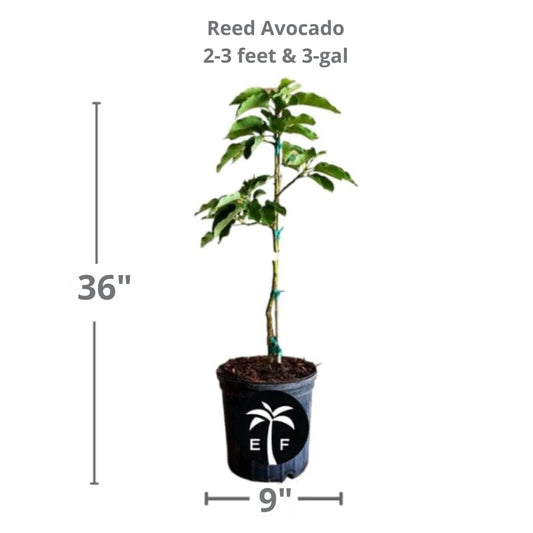
Reed Avocado Tree Grafted
Regular price From $39.95 USDRegular priceUnit price per$49.95 USDSale price From $39.95 USDSold out -
Marcus Pumpkin Avocado Tree, Grafted
Regular price From $89.95 USDRegular priceUnit price per$139.95 USDSale price From $89.95 USDSale -
Pollock Avocado Tree, Grafted
Regular price From $89.95 USDRegular priceUnit price per$119.95 USDSale price From $89.95 USDSale -
Lamb Hass Avocado Tree – Grafted, High-Yield, Late-Season, Compact Variety for Home Gardens
Regular price From $39.95 USDRegular priceUnit price per$54.95 USDSale price From $39.95 USDSale -
Maria Avocado Tree, Grafted
Regular price $71.97 USDRegular priceUnit price per$119.95 USDSale price $71.97 USDSale -
Fantastic Avocado Tree, Grafted
Regular price $89.95 USDRegular priceUnit price per$124.95 USDSale price $89.95 USDSale
![Hass [Florida] Avocado Tree, Grafted Fruit Trees 102-Zill High Performance Plants](http://everglades.farm/cdn/shop/products/hass_avocado_variety_everglades_farm_afda47e4-fd2d-4b5a-83ef-ae5f8ba20913.jpg?v=1762197951&width=533)




![Hass [California] Avocado Tree, Grafted Fruit Trees 100-Carlos Tropical Fruits](http://everglades.farm/cdn/shop/products/hass_avocado_variety_everglades_farm_98e9d4a3-5b5e-4f21-9471-947e7a6fb6d7.jpg?v=1762198246&width=533)


Everglades Farm grows premium grafted avocado trees in Homestead, Florida, and ships them across the United States. Florida is not California, and the tree that thrives in a dry western yard is often the wrong tree for a humid one. Every tree below fruits years sooner than a seedling would, in the variety you actually chose.
Choosing the Right Avocado Tree
Choosing the right avocado tree starts with your local climate rather than with the variety name. Cold hardiness decides the list if winter lows in your area drop below the mid twenties. Heat tolerance decides it in dry inland conditions. Humidity decides it along the Gulf and the southeast coast, where fungal pressure runs far higher than it does in California. Work out which of those three tests your site hardest and the variety list gets short quickly.
Space is the second question. A standard tree reaches 30 to 40 feet in the ground, while dwarf avocado trees hold near 8 to 12 feet and take well to container growing on a patio or in a greenhouse. If the tree is going in a pot, pick the dwarf first and the flavor second.
Yield is the third question, and it is where growers most often guess wrong. The classic dark-skinned varieties give you the flavor most people picture when they think of avocados, but those selections set their heaviest crops in California conditions. Florida growers usually do better with the West Indian and hybrid types bred for wet summers.
Judge tree quality once the tree arrives. A healthy, vigorous tree shows firm green foliage, a clean graft sitting above the soil line, and roots that hold the shape of the pot without circling it. Plant it where it has good air circulation from day one, because crowded still air is where most avocado disease trouble starts.
Grafted vs. Non-Grafted Avocado Trees
Grafted avocado trees and non-grafted avocado trees are two different products, and the difference decides how many years you wait for fruit. Every avocado tree in this collection is grafted. None of them is grown from seed.
A non-grafted tree is a seedling, which means it is grown from a pit and carries whatever genetics that pit happened to hold. Avocados do not come true from seed, so the fruit rarely resembles the avocado the pit came from. Time to flowering and fruiting on a seedling runs five to ten years, and some seedlings never flower at all. You wait a decade to learn whether the tree was worth planting.
Grafting removes that gamble. It is vegetative propagation: a small piece of wood called a scion is cut from a mature tree that has already proven its fruit, then joined to the root system of a young tree called the rootstock. The scion carries the cultivar, so the top of the tree is a known variety rather than a lottery ticket.
Because the scion is a clone of the parent plant, the fruit is the variety printed on the label and nothing else. The join is visible on every tree we ship. Look for the graft union, a slight swelling or angle low on the trunk, and keep it above the soil line for the life of the tree so the rootstock cannot send up shoots of its own.
The rootstock does its own work. We select it for disease and pest resistance in Florida soil, particularly against the root problems that follow a wet summer, and in some cases for dwarfing so the finished tree stays a size you can pick from. Cold hardiness comes down from the scion rather than the roots, which is why a cold hardy variety stays cold hardy on our rootstock.
Disease Resistance and Consistency of Cultivar
Disease and pest resistance is the second reason to buy a grafted avocado tree, and in Florida it is the one that decides whether the tree is still alive in year four. A non-grafted seedling stands on whatever roots the pit produced, with no selection behind them. A grafted tree stands on rootstock we chose for resistance to the root problems that follow a wet Florida summer, and the difference shows up first in the roots rather than in the leaves. Hardiness works alongside it. Cold hardiness comes down from the scion, so a cold hardy cultivar keeps its rating on our rootstock, while dwarfing rootstock holds a naturally large cultivar to a size you can still reach.
Consistency of cultivar is the third reason, and it is the one most growers only appreciate after they have waited on a seedling. Because the scion is a clone of the parent plant, every Brogdon we ship fruits like a Brogdon, at the size, season, and flavor the cultivar is known for. Vegetative propagation is what makes that repeatable: the same wood, cut from the same proven mother tree, produces the same fruit in your yard as it does in ours. A seedling grown from that same tree is a genetic reshuffle, and time to flowering and fruiting on it runs five to ten years before you find out what you got.
The practical result is simple. A grafted tree sets its first crop in two to three years and reaches full production near year five. A seedling takes five to ten years to reach the point where you can judge it at all.
Avocado Tree Varieties
Avocado tree varieties at Everglades Farm cover every combination of flavor, size, and growth habit a home grower is likely to need. Our 47 grafted selections sort into four groups, and most people shop by one of them. Flavor separates the oily Guatemalan and Mexican types from the lighter West Indian ones. Growth habit separates the upright trees that want 30 feet of headroom from the spreading and weeping ones you can still pick from standing on the ground. Mature size is the constraint most yards run into first.
Hass and Classic Avocado Flavor
The Florida Hass (Haas) and the Hass California Avocado Tree both deliver the classic avocado flavor, the rich nutty flesh under pebbled skin that turns nearly black as the fruit softens. The Florida Hass variety is grown on rootstock suited to our wet season and heavy summer rain, while the California selection suits drier western gardens. Lamb Hass extends the same flavor into a later, more compact tree. Fuerte sits alongside them as the older green-skinned classic, thinner-skinned and milder, and it remains one of the most reliable producers we grow. In growth habit this group runs upright and fairly dense, reaching 25 to 35 feet unpruned, which is why most growers tip the leader early to keep the fruit within reach.

Cold Hardy Avocado Trees
A cold hardy avocado tree opens avocado growing to zones where standard varieties will not survive a normal winter. The Brogdon Avocado Tree is the one most growers start with, taking brief drops to roughly 15 to 20 degrees Fahrenheit while still producing thin-skinned purple fruit with excellent flavor. Winter Mexican, Mexicola Grande, and Bacon round out the group, and Bacon in particular is the one we recommend to growers who want a mild, early avocado from a tree that shrugs off a cold snap. The Fantastic Avocado Tree belongs here too, one of the hardiest selections we carry, and the Black Princess carries the same dark-skinned look as the classic black prince types on a tree bred for cooler nights. Browse them together in our Cold Hardy varieties collection. The Mexican-race trees in this group tend toward an open, somewhat willowy growth habit with smaller leaves, and they carry an anise scent in the foliage that the Guatemalan types do not.

Dwarf Options for Containers
Dwarf avocado trees stay manageable without giving up fruit. The Wurtz or Little Cado is the classic patio avocado, holding around 8 to 10 feet with a weeping habit. The Utuado Dwarf and the semi-dwarf Simmonds are the other dwarf options for containers, both of them reliable producers at a size you can move. Growth habit is the whole point of this group: these trees branch low and stay wide rather than tall, so a 15-gallon pot holds one for years.
Florida Season Extenders
Growers who want fruit outside the main window build around season length. The Day Avocado Tree ripens early and holds well on the tree. The Hall Avocado Tree carries the season late into winter with large, pear-shaped green fruit. Between them sit Lula, Monroe, Choquette, and the dark-skinned Oro Negro Black Gold. Doni (Donnie) fills the early gap with a smooth green avocado that ripens ahead of most of the collection, and the Hardee red-skinned avocados come in early as well on a compact tree with an unusually small seed. Plant two or three of these and a Florida yard can pick avocados from summer through the following spring. Size varies more in this group than in any other, from the compact Hardee to Choquette trees that will fill a corner of the yard, so check the mature size on the listing before you pick the spot.

Indoor vs. Outdoor Growing
Avocado trees can be grown outdoors in the ground or indoors in a pot, and the two paths ask different things of you. Outdoor trees make fruit. Indoor trees make a houseplant that sometimes makes fruit. Both are worth doing, but they are not the same project.
Growing Outdoors in the Ground
Grafted avocado trees do best planted outdoors across USDA zones 9-11, which covers most of Florida, the Gulf Coast, south Texas, and coastal southern California. Avocados evolved in Mediterranean climates, so they want a dry-ish winter, a warm growing season, and soil that never stays wet. In zones 9-11 a tree in the ground will reach full mature size, fruit on a predictable schedule, and need very little from you after the first two years. Growers in zone 8 can still plant outdoors by starting with cold hardy options and giving the trunk frost protection for the first several winters.
Growing Indoors and in Containers
Indoor avocados need light, humidity, and airflow, all of which an outdoor tree gets for free. Put the pot in the brightest window in the house, ideally south facing, and expect to supplement with a grow light through winter. Dry indoor air is the usual killer, so leaves should be misted daily or the pot should sit on a humidity tray. Use a container two sizes larger than the root ball with drainage holes you can see through, and feed lightly during the growing season, since a potted tree runs through fertilizer faster than a tree in the ground but burns more easily. Container growing works far better with dwarf avocado trees than with standard ones.
What to Expect Either Way
An outdoor grafted tree sets its first fruit in two to three years, with harvest seasons that vary by variety from early summer to late winter. An indoor tree in a large pot grows more slowly, stays under 10 feet, and may fruit lightly or not at all without hand pollination and strong light. Many growers run both: a tree in the ground for homegrown avocados in volume, and a dwarf on the patio that comes inside when the forecast turns.
Planting and Climate Requirements
Planting and climate requirements for an avocado tree come down to three things: full sun, well-draining soil, and shelter from wind. Growing zones 9-11 support in-ground planting year round, zone 8 works with cold hardy options and winter protection, and anything colder should be grown in a container. Young trees tolerate light shade for their first season, but a mature tree in shade will grow and never fruit.
Published hardiness ratings are a starting point rather than a verdict. The microclimate on your own property moves the line by several degrees, and a tree planted on the south wall of a house in a low-lying yard can outperform the same variety in the open a mile away. Walk the property on a cold morning before you decide where the hole goes.
South Florida is a hot and humid climate, and that is the condition our trees are selected for. The wet season brings heavy summer rain for months at a stretch, which is why rootstock matters more here than variety does. The Florida Hass variety is grown on exactly that kind of rootstock, and it is the reason the same scion behaves differently in Homestead than it does in San Diego.
The best months for planting are spring and early summer, once you have night temperatures above 50 degrees Fahrenheit. That gives the roots a full warm season to establish before their first winter. Planting into cool soil is the most common climate mistake we see, because the top of the tree looks fine while the roots sit still and rot.
Soil Preferences, Temperature Tolerance, and Recommended Zones
Soil preferences for an avocado are short and non-negotiable. The tree wants well-draining soil that runs slightly acidic, somewhere between pH 6.0 and 7.0, with real organic matter in the top layer. Florida sand, loam, and the shallow soils over limestone all grow avocados well because water moves through them within hours. Heavy clay and low ground that holds water after a storm do not, and no amount of feeding fixes that. If water stands in a test hole for half a day, the answer is a planting mound rather than a different fertilizer.
Temperature tolerance is the second requirement, and it varies more by variety than by anything else on this page. A mature grafted tree in the recommended zones handles brief dips into the high twenties Fahrenheit without lasting damage. Cold hardy selections such as Brogdon, Bacon, and Fantastic take short spells near 15 to 20 degrees Fahrenheit. Young trees of every variety are more tender than their published hardiness ratings suggest, so plan on wrapping the trunk for the first two or three winters no matter which one you plant.
Recommended zones for in-ground planting are USDA zones 9 - 11, which is where the tree can stay outdoors year round without protection. Zone 8 works with a cold hardy variety, a sheltered microclimate, and winter cover. Zone 7 and colder is container territory, where the tree summers outside and comes in before the first frost.
- Pick the planting location. Choose high ground with full sun and shelter from strong winds. Avocado trees have shallow root systems and a wide canopy, which makes a mature tree easy to topple in a storm. The south or east side of a building works well in exposed yards.
- Check drainage before you dig. Fill a test hole with water. If it has not drained within a few hours, plant on a mound 12 to 18 inches high instead. Avocados fail in standing water faster than from any other cause.
- Dig wide, not deep. Make the hole two to three times the width of the root ball and no deeper than its height. The graft union must sit above the finished soil line.
- Backfill with native soil. Mix in coarse compost or a cactus or citrus soil mix to open up heavy ground. Skip peat and rich amendments, which hold moisture right where you do not want it.
- Space for the mature tree. Allow 20 to 30 feet between standard trees and 10 to 12 feet between dwarfs. Crowded trees lose air circulation and pick up fungal problems.
- Water in and mulch. Soak the planting area deeply, then mulch out to the drip line while keeping the mulch several inches clear of the trunk.
A tree planted this way in south Florida will typically hold its first crop by the third season.
Avocado Tree Care
Avocado tree care is light work once the tree is established, and nearly every problem growers report traces back to water. Keep to well-draining soil with a pH between 6.0 and 7.0, water deeply and then let the top few inches dry before watering again, and stop guessing by pushing a finger into the soil instead of watering on a schedule. Persistent wet soil causes root rot, which is the single most common way a healthy avocado tree is lost.
Mulch is the cheapest care you can give the tree. A three inch layer of bark chips over the root zone gives you moisture retention, cooler roots, and steadier soil chemistry, and it breaks down into exactly the organic matter avocados want. Keep it off the trunk to avoid collar rot.
Avocado trees have specific nutritional requirements and are heavy feeders of nitrogen, potassium, and zinc. Use low-salt fertilizers made for avocados or citrus, because avocado roots are unusually sensitive to salt buildup and salt injury shows up as burned leaf tips before it shows up as root damage. Flush containers with clear water every few months to keep salts moving through.
Fertilization is the other half of avocado tree care, and it runs on a schedule rather than on guesswork. Use a fertilizer made for avocados such as our 8-3-9 blend, applied twice a year. In south Florida that means February and September. Further north, shift to early spring and late summer. Young trees do better on smaller amounts fed more often. A tree that is running short shows it in pale new leaves well before it shows it in the crop.
Pruning is light work on an avocado. Take out dead and crossing branches to open the canopy, tip back the leader once the tree reaches the height you want to pick from, and otherwise leave it alone. Heavy pruning costs you a season of fruit.
Watch for aphids and scale on new growth, especially on trees kept indoors or under low humidity, where predators cannot reach them. Both respond to horticultural oil or insecticidal soap caught early. Inspect the undersides of leaves whenever you water, and clear fallen leaves and fruit from under the tree so pests and fungus have nowhere to overwinter.
One thing you do not have to manage is pollination. An avocado is functionally a self-pollinating tree, so a single tree on its own will set a crop and you do not need a second tree in the yard. Planting a second variety of the opposite flower type nearby still lifts yields noticeably, because avocado flowers open as female and male at different times of day, but it is an upgrade rather than a requirement.
Fruit Production and Harvesting
Fruit production and harvesting on a grafted avocado tree start years earlier than they do on a seedling, and that gap is the whole reason grafting exists. Each of our trees is built from a cutting taken off a mature avocado tree that has already proven its fruit, joined to hardy rootstock chosen for Florida soil and disease pressure. A grafted tree sets its first crop in two to three years and reaches full production near year five, while seed-grown trees take five to ten.
Premature fruit drop in late spring alarms new growers, but a tree setting far more flowers than it can carry and shedding the excess is normal. Drop that continues past early summer usually points to drought stress, waterlogged roots, or a tree that was never fed on schedule.
Fruit maturity on an avocado is judged by the fruit itself rather than by the calendar, because avocados do not soften on the tree. Watch for the fruit size the variety is known for, then for the skin color to dull slightly from glossy to matte. On outdoor trees in Florida that combination is the reliable signal that harvest time has arrived. Cut the stem rather than pulling, and leave a short button attached.
Fruit ripening happens after picking, at room temperature indoors, over three to seven days. A paper bag with a banana speeds it up. Refrigeration stops it, so hold picked fruit on the counter until it yields to gentle pressure, then move it to the refrigerator to buy another few days.
Flesh quality and seed size are what separate the varieties once the fruit is open. A Hass avocado runs high in oil, which gives it the dense buttery flesh most people picture, with a seed proportionate to the fruit. The Florida types are lighter and less oily, and several of them carry a noticeably smaller seed for their size, the Hardee among them, which is why they cut so well for slicing rather than mashing.
First fruit is usually the strangest fruit the tree will ever make. Early crops often run small, or misshapen, or one to a branch. That is normal and it corrects itself. By year five the tree has reached most of its mature size and the fruit settles into the shape and weight the variety is known for.
Purchasing and Customer Experience
Purchasing an avocado tree online and the customer experience after the sale are built around one fact: you are trusting a stranger to put a living plant in a box. Every tree ships from our nursery in Homestead, Florida in its own container, with the root ball secured and the canopy braced, and orders go out on a schedule that keeps trees from sitting in a warehouse over a weekend.
The purchasing process itself is short. Pick the variety on the collection page, check the mature size and the harvest season on the listing against the spot you have in mind, then read the sale conditions and the shipping restrictions before you add it to the cart. Orders are confirmed by email, trees are pulled and packed in the order they come in, and you get a tracking number the day the box leaves Homestead. If you are not sure which selection fits your yard, email us before you order rather than after, because we can change a variety on an unshipped order and we cannot change one that is already in your ground.
A garden center sells you a tree it bought in and held for a season, and the staff there usually cannot tell you what rootstock it is standing on. We sell premium grafted avocado trees we grafted and grew ourselves, which is why we can tell you which selection suits a wet Gulf summer and which one will sulk in it.
Our quality guarantee covers arrival. Your tree reaches you alive and in fair condition, or we make it right. If it does not, photograph it and email csr@everglades.farm within three business days. No nursery can promise a tree is guaranteed to thrive once it is in your ground, and we do not pretend otherwise. What we control is the tree that leaves here and the condition it lands in. Sale conditions, shipping windows, and the full terms of that guarantee are listed on every product page, along with the shipping restrictions that apply to a few states. Read them before you order rather than after, because a tree held at a state line is a tree losing days.
Customer support runs through csr@everglades.farm and 305-704-8828. Our phone line answers around the clock, and live agents are available Monday through Friday from 10:00 am to 2:00 pm Eastern. Those messages reach dedicated and knowledgeable staff at the nursery. We would rather answer a growing question before you order than replace a tree after you have planted it in the wrong spot.
Behind the selection is a working Florida nursery, not a drop-shipper. Our growing expertise comes from grafting and field-growing these varieties in the same soil and the same wet season our customers face. That is also what fills our blog, our care guides, and our social media presence. The care guides are written for the tree you actually bought rather than for avocados in general, so the watering and feeding advice matches the rootstock under it. Between those care guides and the verified reviews on each listing, you are buying inside a real community of Florida and Gulf Coast growers who trade results, ask questions, and post pictures of their first harvest. Those verified reviews are left by customers who bought the same variety you are looking at, so you can see how the tree performed in a yard like yours before you order. If your dream yard has a tree you can pick from in the morning, we can tell you which variety will get you there and how long your future avocados will take.
What Growers Are Saying
Everglades packed it as well as I have ever seen, as in it arrived in better condition than any time I have hauled trees in my truck bed. A month in, it is vigorously growing new foliage. It has the strongest root stock I have ever seen on a tree that size.
Andrew O. on the Brogdon Avocado Tree
I planted the tree in a bigger pot to allow growing. So far so good, it has grown a few inches and still looks healthy.
Edwin A. on the Wurtz Dwarf Avocado Tree
Trees came looking very healthy. Very securely packaged for shipping as well.
Deneen S. on the Hass Florida Avocado Tree
Those are three of the hundreds of verified reviews left on our avocado listings. Read the rest on any product page, then pick the tree that fits your yard.
