

-
Live Meyer Lemon Tree (Rooted Cutting – Citrus Plant)
Regular price From $47.95 USDRegular priceUnit price per$59.95 USDSale price From $47.95 USDSale -
Key Lime Tree Cutting - Rooted Citrus Plant for Indoor/Outdoor Growing
Regular price From $44.95 USDRegular priceUnit price per$59.95 USDSale price From $44.95 USDSale -
Persian Tahiti Lime Tree | Rooted Cutting | Citrus Fruit Plant | Indoor/Outdoor
Regular price From $49.95 USDRegular priceUnit price per$59.95 USDSale price From $49.95 USDSale -
Nagami Kumquat Dwarf Citrus Tree Grafted
Regular price From $54.95 USDRegular priceUnit price per$69.95 USDSale price From $54.95 USDSale -
Eureka Lemon Tree Cutting | Rooted Citrus Plant | Indoor/Outdoor Fruit Tree Seedling
Regular price From $47.95 USDRegular priceUnit price per$59.95 USDSale price From $47.95 USDSale -
Calamondin Orange Tree Cutting | Dwarf Citrus Plant | Indoor/Outdoor Miniature Fruit Tree
Regular price From $47.95 USDRegular priceUnit price per$69.95 USDSale price From $47.95 USDSale -
Yuzu Citrus Tree - Rare Japanese Fruit Plant | Rooted Cutting | Easy-to-Grow Exotic Citrus
Regular price From $47.95 USDRegular priceUnit price per$59.95 USDSale price From $47.95 USDSold out -
Orange Crush Jackfruit Tree Grafted
Regular price From $89.95 USDRegular priceUnit price per$129.95 USDSale price From $89.95 USDSale -

Buddha's Hand Citron Tree Cutting | Rare Fingered Citrus | Exotic Indoor/Outdoor Fragrant Plant
Regular price From $49.95 USDRegular priceUnit price per$59.95 USDSale price From $49.95 USDSale -
Cara Cara Red Navel Dwarf Orange Tree Grafted
Regular price From $99.95 USDRegular priceUnit price per$129.95 USDSale price From $99.95 USDSold out -
Meiwa Kumquat Dwarf Citrus Tree Grafted
Regular price From $47.95 USDRegular priceUnit price per$59.95 USDSale price From $47.95 USDSold out -
Organic Kaffir Lime Tree Cutting | Live Citrus Plant | Fresh Leaves for Thai Cooking
Regular price From $47.95 USDRegular priceUnit price per$59.95 USDSale price From $47.95 USDSale -
Valencia Orange Tree for Sale | Grafted Citrus Tree from Florida
Regular price From $89.95 USDRegular priceUnit price per$129.95 USDSale price From $89.95 USDSale -
Ruby Red Grapefruit Tree Grafted
Regular price From $89.95 USDRegular priceUnit price per$129.95 USDSale price From $89.95 USDSale -
Moro Blood Orange Dwarf Tree Grafted
Regular price From $89.95 USDRegular priceUnit price $89.95 per item$129.95 USDSale price From $89.95 USDSale -
Washington Navel Dwarf Orange Tree Grafted
Regular price From $89.95 USDRegular priceUnit price per$129.95 USDSale price From $89.95 USDSale -
Bearss Lemon Tree Cutting | Rooted Citrus Plant | Organic Indoor/Outdoor Fruit Tree
Regular price From $32.17 USDRegular priceUnit price per$69.95 USDSale price From $32.17 USDSale -
Star Ruby Grapefruit Tree Grafted - Dwarf Citrus for Home Gardens
Regular price From $79.95 USDRegular priceUnit price per$99.95 USDSale price From $79.95 USDSale -
Live Meyer Lemon Tree (Grafted Citrus Plant)
Regular price $99.95 USDRegular priceUnit price per$129.95 USDSale price $99.95 USDSale -
Hamlin Orange Dwarf Orange Tree Grafted
Regular price From $99.95 USDRegular priceUnit price per$159.95 USDSale price From $99.95 USDSold out -
Key Lime Tree Grafted - Citrus Plant for Indoor/Outdoor Growing
Regular price From $89.95 USDRegular priceUnit price per$99.95 USDSale price From $89.95 USDSale -
Yuzu Citrus Tree | Grafted | Easy-to-Grow Exotic Citrus
Regular price $89.97 USDRegular priceUnit price per$109.95 USDSale price $89.97 USDSold out -
Organic Kaffir Lime Tree Grafted | Live Citrus Plant | Fresh Leaves for Thai Cooking
Regular price From $89.95 USDRegular priceUnit price per$139.95 USDSale price From $89.95 USDSale -
Gator Bites UFR-5 Mandarin Orange Tree | Grafted Citrus Sapling | Easy-Grow Fruit Tree
Regular price $109.95 USDRegular priceUnit price per$129.95 USDSale price $109.95 USDSold out


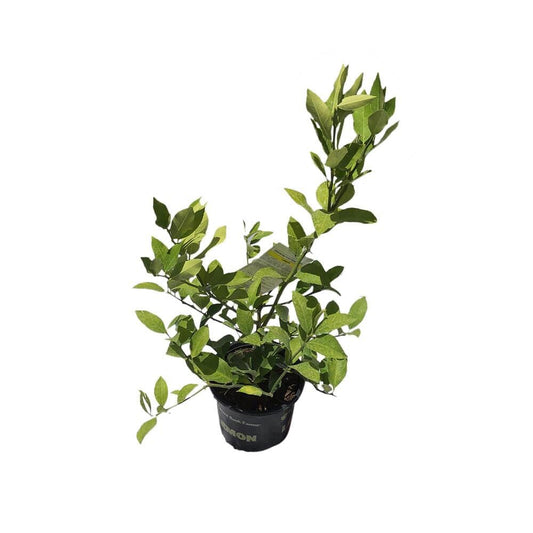


Lemon trees and other citrus trees at Everglades Farm are grown in our Homestead, Florida nursery and shipped in their pots. This collection covers Meyer, Eureka and Bearss lemons along with limes, oranges, mandarins, grapefruit, kumquats and rarer citrus. Most of them do well in the ground in warm climates and in a large pot on a sunny patio anywhere else.
Lemon Trees for Sale

These are the lemon trees in stock today. Each one is a 2 to 3 foot tree in a 3-gallon pot.
- Meyer lemon tree, rooted cutting. A cross between a lemon and a sweet orange, with thin skin and juice that is less sour than a regular lemon. It stays compact and handles cold better than other lemons.
- Meyer lemon tree, grafted. The same Improved Meyer lemon growing on a citrus rootstock instead of its own roots.
- Eureka lemon tree. The classic sour grocery-store lemon. It has few thorns and can flower and fruit several times a year.
- Bearss lemon tree. A Florida lemon with very juicy, sour fruit and a thorny, vigorous habit.
If you are choosing between the two most popular lemon trees, our post on Eureka vs Meyer lemon trees compares flavor, size and care side by side.
Other citrus trees in this collection
Beyond lemon trees, the collection includes the Key lime tree, the Persian lime tree, the Kaffir lime tree, the Valencia orange tree, the Ruby Red grapefruit tree, the Nagami kumquat tree and the Calamondin orange tree. Stock changes through the year, so check each product page for the sizes available now.
Shipping citrus trees from Florida
Florida is under federal citrus quarantine because of citrus greening, so citrus trees grown here can only be shipped to states where it is permitted. Each product page shows whether a tree can ship to you.
Sunlight and Growing Zones for Lemon Trees
The sunlight and climate needs of lemon trees decide where they grow best, and whether a tree should live outdoors all year or spend the winter indoors.
How much sun lemon trees need
Lemon trees need full sun. Outdoors, plant them where they get at least 8 hours of direct sunlight a day. A lemon tree in shade grows thin and flowers very little, so light is the first thing to get right.
Lemon tree growing zones
Lemon trees grow outdoors in the ground in USDA zones 9 to 11, which covers most of Florida, southern Texas, southern Arizona and coastal California. True lemons such as Eureka and Bearss are among the most cold-tender citrus and can be damaged when the temperature drops into the upper 20s °F. The Meyer lemon tolerates more cold than other citrus, and UF/IFAS advises protecting it when temperatures fall below 20°F.
Growing lemon trees indoors and outdoors
Outside zones 9 to 11, grow your lemon tree in a pot. Keep it outdoors in full sun from spring to fall, and bring it indoors before nights drop below about 40°F. Indoors, place it in the sunniest south-facing window you have or under a grow light for 10 to 12 hours a day. Meyer lemon is the best choice for indoor growing because it stays small, though it fruits best when it spends the warm months outside.
Planting Lemon Trees
Planting lemon trees well comes down to soil selection, location and a careful first setup, whether the tree goes into the ground or into a container.
Soil selection
Lemon trees need soil that drains quickly. UF/IFAS lists sandy loam that stays moist but never waterlogged as ideal. A slightly acidic to neutral soil pH of about 6.0 to 7.0 suits them. If your yard has heavy clay or water stands after rain, plant on a raised mound or choose a container instead.
Location
Pick the sunniest spot you have, with shelter from cold north winds. A south-facing wall gives extra warmth in winter. Leave 12 to 15 feet between a full-size lemon tree and buildings or other trees so the canopy can spread. Keep it away from lawn sprinklers, which keep the trunk area too wet.
Planting lemon trees in the ground
Dig a hole as deep as the root ball and two to three times as wide. Set the tree so the top of the root ball sits at or slightly above the soil line, and never bury the graft union on a grafted tree. Backfill with the native soil, water slowly to settle it, and keep mulch a few inches away from the trunk. In Florida, planting on a low mound helps summer rain drain away from the roots.
Planting lemon trees in containers
For a lemon tree in a pot, start with a container a few inches wider than the 3-gallon nursery pot and move up in steps to a 15 to 20 gallon pot as the tree grows. Use a fast-draining potting mix made for citrus or cactus, and make sure the pot has drainage holes. A pot on wheels makes it easy to move the tree indoors for winter. Our guide on how to grow a lemon tree at home walks through the container setup step by step.
Watering Requirements for Lemon Trees
The watering needs of lemon trees change with the age of the tree, the season and whether it grows in the ground or in a pot.
How often to water a lemon tree
Water a newly planted lemon tree every two to three days for the first couple of weeks, then about once or twice a week during its first year. An established lemon tree in the ground usually needs water only during dry spells. Check the soil before you water: when the top 2 inches feel dry, it is time.
How much water to give
Water deeply and slowly so the whole root zone gets wet, then let the top of the soil dry before the next watering. A light sprinkle every day keeps only the surface damp and leads to weak, shallow roots. In a container, water until it runs from the drainage holes.
Watering best practices
Lemon trees in pots dry out much faster than trees in the ground, especially in summer, and may need water every day or two in hot weather. Water less in winter, when growth slows, and never let a pot sit in a saucer full of water. Yellow leaves that drop suddenly often mean the roots are staying too wet. For a full schedule, see our post on lemon tree watering schedules.
Fertilizing Lemon Trees
Fertilizing lemon trees means matching the type of fertilizer, the application schedule and the nutrient mix to the age of the tree.
Types of fertilizer for lemon trees
Use a citrus fertilizer that includes magnesium and micronutrients. UF/IFAS recommends a 6-6-6-2 mix (6% nitrogen, 6% phosphate, 6% potash and 2% magnesium) for Meyer lemon after planting. Slow-release citrus granules work well for trees in containers. A foliar micronutrient spray such as our Citrus Nutritional Spray helps when new leaves come in pale or mottled.
Fertilizer application schedule
Feed a young lemon tree small amounts often: every six to eight weeks from early spring through early fall during its first year. From the second year on, feed three or four times a year, in late winter, late spring, summer and early fall. Stop feeding in late fall so the tree does not push tender new growth before cold weather.
Nutrient requirements
Lemon trees use a lot of nitrogen for leaves and fruit, and they also need magnesium, iron, zinc and manganese. Shortages show up in the leaves first. Yellowing between green veins on new leaves usually points to iron, zinc or manganese, while yellow patches on older leaves suggest magnesium. Spread granular fertilizer evenly under the canopy and water it in, keeping it off the trunk.
Pruning Lemon Trees
Pruning lemon trees is mostly light work. A lemon tree does not need heavy pruning to fruit, and good technique keeps it healthy and productive.
When to prune
The best time to prune a lemon tree is in late winter or early spring, after the main harvest and before the spring flush of growth. Avoid heavy pruning in fall, because it encourages tender shoots that cold can damage.
What to cut
Remove dead or damaged branches, branches that cross and rub, and any shoots growing from below the graft union on a grafted tree. Those rootstock suckers grow fast but will not bear good lemons. Cut tall, vigorous water sprouts back to keep the canopy balanced. Use clean, sharp pruners and wear gloves, since Bearss and many other lemon trees have sharp thorns.
Pruning a lemon tree in a container
For lemon trees in pots, pinch the tips of new shoots to keep the tree bushy and shape the canopy so it stays in proportion to the container. Thinning a few interior branches lets light reach the center of the tree, which helps flowering.
Pollinating Lemon Trees
Outdoors, bees and other insects take care of pollinating lemon trees while they visit the fragrant white flowers in spring. Indoors there are no pollinators, so flowers can drop without setting fruit. To pollinate a lemon tree indoors, use a small, soft paintbrush or cotton swab and gently move pollen from the anthers to the sticky center of each open flower, going from flower to flower every day or two while the tree is in bloom. Moving the tree outside when it flowers in spring lets the bees do the work.
Self-Pollination Traits of Lemon Trees
Meyer, Eureka and Bearss lemon trees are self-pollinating, which UF/IFAS confirms for the Meyer lemon. For home growers this means one lemon tree is enough to get fruit, and you do not need a second variety nearby. It also means a single lemon tree in a pot on a balcony can produce a crop, as long as its flowers are pollinated by insects or by hand.
Lemon Tree Fruit Production
Lemon tree fruit production depends on how the tree was propagated, its age and the conditions it grows in.
How long until a lemon tree bears fruit
Rooted cuttings and grafted lemon trees come from mature, fruiting wood, so they often flower and set a few lemons within their first two to three years. A lemon tree grown from seed can take many years longer to fruit. In the first year after planting, many growers remove young fruit so the tree puts its energy into roots and branches.
When lemons ripen
Lemons take about six to nine months to ripen after the flowers are pollinated. Meyer lemon produces most of its fruit in fall and winter, and the fruit turns from green to a deep yellow-orange when it is ripe. Eureka lemon can bloom and fruit several times a year in warm climates, so a tree may carry flowers and ripe lemons at once.
Factors that influence fruiting
The main factors that influence fruiting are sunlight, steady watering and regular feeding. Lemon trees that sit in shade, dry out completely or go hungry often drop flowers and young fruit. Cold damage can wipe out a year's bloom, and indoor trees fruit poorly without hand pollination. Some fruit drop after bloom is normal, since the tree sheds more small lemons than it can carry.
Pest Control for Lemon Trees
Good pest control for lemon trees starts with knowing the common insect pests and checking the leaves often, since most problems are easy to manage when caught early.
Common insect pests of lemon trees
- Asian citrus psyllid. A tiny insect that feeds on new shoots and spreads citrus greening (HLB), the most serious citrus disease in Florida.
- Citrus leafminer. Its larvae tunnel through young leaves and leave silvery, curled trails. It looks bad but rarely harms an established tree.
- Scale insects and mealybugs. Small, still bumps or white cottony spots on stems and leaves that suck sap and leave sticky honeydew.
- Aphids and whiteflies. Clusters on the undersides of new leaves, often followed by black sooty mold.
- Spider mites. Fine webbing and speckled leaves, most common on lemon trees indoors in dry air.
Methods to control and prevent infestations
Check the undersides of leaves and the new growth every week or two. Wash off light infestations with a strong spray of water, and treat heavier ones with insecticidal soap or horticultural oil, covering both sides of the leaves. Ants that climb the trunk often protect scale and aphids, so controlling ants helps too. Healthy, well-fed lemon trees recover from pests much faster. Before bringing a potted tree indoors for winter, inspect it closely so pests do not come inside with it.
Citrus greening and quarantine
Citrus greening has no cure, which is why citrus moves under quarantine rules. Buy lemon trees only from state-registered nurseries that sell certified plants, as UF/IFAS advises, and remove any tree that shows blotchy yellow leaves and lopsided, bitter fruit.
