

-
Live Meyer Lemon Tree (Rooted Cutting – Citrus Plant)
Regular price From $47.95 USDRegular priceUnit price per$59.95 USDSale price From $47.95 USDSale -
Persian Tahiti Lime Tree | Rooted Cutting | Citrus Fruit Plant | Indoor/Outdoor
Regular price From $49.95 USDRegular priceUnit price per$59.95 USDSale price From $49.95 USDSale -
Calamondin Orange Tree Cutting | Dwarf Citrus Plant | Indoor/Outdoor Miniature Fruit Tree
Regular price From $47.95 USDRegular priceUnit price per$69.95 USDSale price From $47.95 USDSale -
Thornless Key Lime Tree | from cuttings | Mexican Lime Tree
Regular price From $47.95 USDRegular priceUnit price per$59.95 USDSale price From $47.95 USDSale -
Yuzu Citrus Tree - Rare Japanese Fruit Plant | Rooted Cutting | Easy-to-Grow Exotic Citrus
Regular price From $47.95 USDRegular priceUnit price per$59.95 USDSale price From $47.95 USDSold out -
Eureka Lemon Tree Cutting | Rooted Citrus Plant | Indoor/Outdoor Fruit Tree Seedling
Regular price From $47.95 USDRegular priceUnit price per$59.95 USDSale price From $47.95 USDSale -
Pink Variegated Lemon Tree from cuttings
Regular price From $49.95 USDRegular priceUnit price per$69.95 USDSale price From $49.95 USDSale -
Live Meyer Lemon Tree (Grafted Citrus Plant)
Regular price $99.95 USDRegular priceUnit price per$129.95 USDSale price $99.95 USDSale -
Thornless Key Lime Tree | Grafted | Mexican Lime Tree
Regular price From $87.95 USDRegular priceUnit price per$139.95 USDSale price From $87.95 USDSale -
Harvey Lemon Tree Cutting - Cold Hardy, Disease Resistant, High Juice Content Lemon Tree for Lemonade & Cooking
Regular price From $89.95 USDRegular priceUnit price per$109.95 USDSale price From $89.95 USDSold out -
Bearss Lemon Tree Cutting | Rooted Citrus Plant | Organic Indoor/Outdoor Fruit Tree
Regular price From $32.17 USDRegular priceUnit price per$69.95 USDSale price From $32.17 USDSale -
 Sold out
Eureka Lemon Tree Dwarf Grafted
Regular price $97.95 USDRegular priceUnit price per$129.95 USDSale price $97.95 USDSold out -
Harvey Lemon Tree, Grafted - Cold Hardy, Disease Resistant
Regular price From $89.95 USDRegular priceUnit price per$109.95 USDSale price From $89.95 USDSale -
Yuzu Citrus Tree | Grafted | Easy-to-Grow Exotic Citrus
Regular price $89.97 USDRegular priceUnit price per$109.95 USDSale price $89.97 USDSold out -
Ponderosa Lemon Tree Cutting
Regular price $74.96 USDRegular priceUnit price per$99.95 USDSale price $74.96 USDSale -
 Sold out
Pink Variegated Lemon Tree Grafted
Regular price $109.95 USDRegular priceUnit price per$129.95 USDSale price $109.95 USDSold out


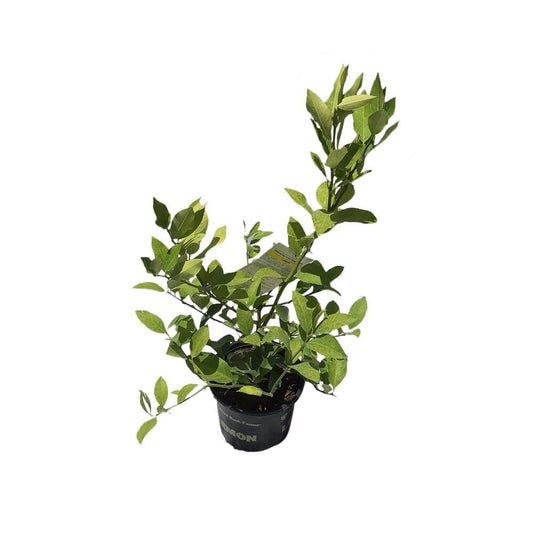

Looking for a lemon tree for sale that is already proven in your climate? Everglades Farm grows rooted and grafted citrus in South Florida, so the lemon and lime trees you order here are field-tested for subtropical heat, humidity, and sandy soil. Every tree ships as a healthy, self-pollinating citrus plant sized for a pot or a backyard row.
Growing Lemon Trees at Home

Growing lemon trees at home works two ways, and the variety decides which. In growing zones 9 to 11 a lemon tree lives outdoors year round in full sun. In zones 8 and colder, container growing is the answer: the pot sits outside spring through fall, then you overwinter indoors in a sunny window or under a grow light. Indoor citrus trees stay productive for years, because every tree here is self-pollinating and takes light pruning well.
The trees we grow, from most cold-tolerant to most tender:
- Improved Meyer lemon - sweet, thin-skinned meyer lemons on the easiest lemon tree to keep in a pot.
- Eureka lemon tree - the classic tart lemon, very juicy with few seeds.
- Bearss lemon - cold-tolerant with very high juice content.
- Harvey lemon - cold-tolerant and disease resistant.
- Yuzu - rare Japanese citrus and the most cold-tolerant tree in this collection.
- Ponderosa lemon - fruit the size of a grapefruit.
- Pink Variegated lemon - striped foliage and pink-tinted flesh.
- Thornless Key lime and Persian (Tahiti) lime - for pie and for cocktails.
- Calamondin - compact, heavy fruiting, best of these as a houseplant.
Planting Lemon Trees

Plant your lemon tree in early spring, once nights hold above 50F. A citrus 'Meyer' lemon tree is a broadleaf evergreen that never goes fully dormant, so it establishes fastest when the soil is warming.
- Choose the site. Give the tree full sun, six to eight hours a day. Check your growing zone: zones 9 to 11 plant in the ground, zone 8 and colder in a container.
- Prepare well-drained soil. Citrus roots rot in standing water, so loosen a wide area and blend in locally sourced compost until it drains freely.
- Set the root ball. Dig twice as wide as the root ball but no deeper, set its top an inch above grade, then backfill and water in.
- Feed at planting. Espoma Citrus-tone worked into the backfill releases slowly and will not burn new roots.
- For containers, start a Eureka lemon tree or Meyer in a 15 to 25 gallon pot with open drainage holes. Step up one size when roots circle the bottom.
Lemon Tree Care and Maintenance

Lemon tree care and maintenance comes down to five things:
- Watering: water deeply, then let the top two inches dry. Constant wet soil causes most citrus root diseases.
- Soil: use well-draining, sandy soil at a neutral to slightly acidic pH. Pots need drainage holes that stay open.
- Light: full sun outdoors. Indoors, a south window plus a grow light keeps growth tight.
- Nutrients: feed a well-balanced fertilizer made for citrus in spring, summer, and early fall. Osmocote Plus works; steady nutrients beat one heavy dose.
- Humidity and winter hardiness: indoor trees like a humidity level near 50 percent, so use a pebble tray. Winter hardiness varies by variety, and Meyer, Bearss, and Harvey take a brief dip into the high 20sF with cover.
Pruning is light work: take out crossing branches and any shoot below the graft, then shorten the longest growth after harvest.
Lemon Tree Pollination
Every lemon tree we sell is self-pollinating, so a single tree sets fruit with no second tree nearby. Outdoors, bees and light breezes move pollen through the blossoms and you never have to think about it.
Indoor pollination is the one case where you help. A Meyer lemon or any semi-dwarf cultivar flowering in a living room gets no insects and no wind, so pollen transfer stalls and blossoms drop before fruit production starts. Two minutes of manual pollination fixes it: shaking the branches gently, or brushing a small soft brush from flower to flower. Repeat every two or three days for as long as the blossoms keep opening.
Lemon Tree Pest and Disease Management
Lemon tree pest and disease management is mostly early detection. The insect pests that reach citrus indoors and out are few, and all are treatable with organic control if caught early.
- Aphids cluster on new growth and curl the tips. Knock them off with a hard spray of water, then use insecticidal soap if they return.
- Spider mites show up as fine webbing and stippled leaves on indoor trees in dry winter air. Raise the humidity and rinse the foliage weekly.
- Scale and mealybugs look like bumps or white fluff on stems. Horticultural oil smothers them and is safe on citrus out of direct sun.
Diseases are usually a watering problem in disguise. Root diseases follow soggy soil, and sooty mold grows on the honeydew aphids and scale leave behind. Neem oil and insecticidal soap cover nearly every case, and both count as organic control.
Lemon Tree FAQs and Common Concerns
How long until my lemon tree fruits?
A rooted cutting usually blooms in its first or second season, and a grafted tree often arrives already fruiting. Because the trees are self-pollinating, that first bloom can set fruit on its own. Harvesting runs from late fall into winter.
What fertilizer should I use?
Use a citrus-specific fertilizer such as Citrus-tone three times a year: early spring, midsummer, and early fall. Citrus is a heavy feeder, and thin pale leaves are usually a nutrition problem, not a watering one.
Are lemon trees safe around pets?
Pet safety is worth knowing before you buy. Citrus foliage and peel contain oils that can upset a cat or dog that chews them, so keep an indoor tree where pets cannot reach the lower branches.
What temperature can the tree take?
These are evergreen trees with no dormancy, so temperature matters year round. Meyer, Bearss, and Harvey tolerate a short drop into the high 20sF with frost cloth. Limes are tenderest and want to stay above the mid 30sF. If your growing zone runs colder, move the pot indoors before first frost and pause feeding until spring.
How do the trees ship?
Each tree ships from our Florida nursery as a live, rooted plant packed to protect the roots. Citrus is seasonal, so we ship on a weather-based schedule and may hold an order during extreme heat or cold. Let your tree settle in a sheltered spot for a week before transplanting it.
Browse more in Citrus Trees and Dwarf Fruit Trees.
