Kishu Mandarin Trees: Steps for Successful Planting and Care
A Kishu mandarin tree bears very small, sweet, easy-to-peel fruit with steady care. Getting started is simple as you just need to choose a vigorous tree, give it sun and drainage, and protect it from cold.
What Is a Kishu Mandarin
The Kishu mandarin (Citrus kinokuni) is called kishu mikan in Japan. It is a very old mandarin of Chinese origin and one of the earliest introduced into Japan, where it remains popular for its pleasant flavor and rich fragrance. UC Riverside’s Citrus Variety Collection lists at least four kinds of Kishu, the largest of which is Hirakishu, and one of them, Mukakukishu, is completely seedless.
Kishu reached the United States in stages. An older seeded form arrived at UC Riverside as seed in 1915, and budwood of the seedless form came from Japan in 1983.
Fruit Characteristics
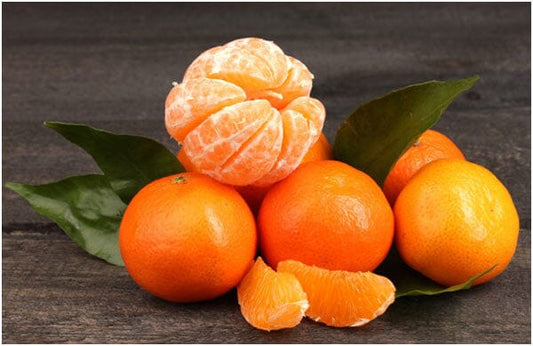
Kishu fruit is small, somewhat flattened at both ends, orange, and glossy. The thin rind peels easily and smells fragrant, and the flesh is firm and pleasantly sweet. The fruit ripens in early midseason. The standard Kishu has a few seeds, while Mukakukishu has none.
The fruit is very small and sweet enough to eat when ripe, with a rind that peels and sections that separate cleanly.
Growing Zones and Cold Hardiness
Citrus is a subtropical fruit tree that suits areas without regular freezes, so treat a Kishu mandarin like other mandarins and protect it from cold. Citrus fruit can start to freeze when temperatures sit between 26°F and 28°F for more than two hours. A forecast of 28°F or lower is the point to start worrying about fruit on the tree.
Mature satsuma mandarins, among the hardiest mandarins, came through temperatures of 12°F to 14°F without significant damage in a UF/IFAS trial. Kishu was not part of that trial, so protect a Kishu earlier than you would a satsuma.
When a freeze is forecast, drape a cover over the tree all the way to the ground. Tree wraps and soil mounded around the trunk in a cone shape can also minimize freeze damage. In-ground growing suits areas without regular freezes, and patio growing in a container suits colder areas.
Growing and Care Instructions
Start with a vigorous, container-grown tree from a nursery, since container trees can be planted at any time of year. Choose a spot in direct sunlight. Citrus tolerates light shade but is more productive in full sun, and home plantings need at least 15 feet between trees and some distance from buildings.
Kishu trees need well-draining, loose soil with a pH between 5.5 and 6.5, and a soil test is worth doing if the leaves look unhealthy. Set the tree at the same soil line it had in its nursery container, which keeps the graft union above the soil. Remove some soil from the root mass to expose the outer roots, and build a basin that holds 5 to 10 gallons of water.
For the watering schedule, fill the basin with a hose for 10 to 15 minutes twice a week during the first month. After that, water less often and refill the basin whenever new growth wilts in mid-afternoon.
Start fertilizing three weeks after planting or when the buds swell. During the first year, feed about every six weeks from February through October with a balanced citrus fertilizer such as an 8-8-8, and keep it off the trunk.
Remove suckers that grow below the graft union, since they come from the rootstock and will not make good fruit. A mature tree needs pruning only for dead or damaged branches after disease or freeze injury, and unnecessary pruning reduces fruit. A tree grown indoors also needs hand pollination to set fruit.

Container Growing
A Kishu mandarin is a great choice for a patio pot. If the nursery tree comes in a 4-inch pot or a 3-gallon container, move it to a container that is 2 inches wider. Plan to repot every three to five years into a final container that can reach 18 to 36 inches wide. Choose a lightweight plastic pot with drainage holes, because large wooden, terracotta, or cement pots are hard to move.
Set the tree so the root flare sits above the soil line, and fill the pot with a chunky mix of 4 parts shredded aged pine bark to 1 part peat moss or coir. Water when the top 2 to 3 inches of soil are dry, and never let the pot stand in a saucer of water. You can feed it with a slow-release fertilizer such as a 12-6-6, with 2 to 3 applications during the growing season.
Move the pot into a house or garage before a freeze. If the tree will spend time indoors, reduce its light gradually over 2 to 3 weeks before moving it, and keep it away from drafts caused by doors and heating ducts.
Harvesting
Young grafted mandarins typically grow for 5 years before they flower, and larger nursery trees fruit sooner, so a bigger tree shortens the wait. Seedless Kishu typically ripens from November to January, which runs from late fall into early winter.
Pick the mandarins when they are fully orange, and harvest before a freeze, since fruit can freeze when temperatures sit at 26°F to 28°F.
Pick up a healthy Kishu Mandarin Tree!
Few citrus trees give you fruit this small and this easy to peel. If a handful of tiny mandarins sounds like your kind of snack, you can order a Kishu Mandarin Tree from us and have it shipped right to your door.
Keeping a Kishu Safe Through the Winter
Check the forecast in late fall, because cold is the main thing that can set a mandarin back.
Frequently Asked Questions
Are Kishu Mandarins Seedless?
The Mukakukishu form is completely seedless, and the standard Kishu has a few seeds.
How Long Does a Kishu Mandarin Tree Take to Fruit?
Young grafted mandarins typically grow for 5 years before they flower, and larger trees fruit sooner.
When Are Kishu Mandarins Ripe?
Seedless Kishu typically ripens from November to January.
Can You Grow a Kishu Mandarin in a Pot?
Yes, in a lightweight container with drainage holes and a chunky, well-draining mix. Move the pot into a house or garage before a freeze.
Does a Kishu Mandarin Tree Need Cold Protection?
Yes. Citrus fruit can start to freeze at 26°F to 28°F, and a forecast of 28°F or lower is the point to start worrying about fruit on the tree.
References
UC Riverside Citrus Variety Collection, "Seedless Kishu mandarin (CRC 3906)"
https://citrusvariety.ucr.edu/crc3906
University of Florida IFAS Extension, "Citrus Culture in the Home Landscape"
https://ask.ifas.ufl.edu/publication/HS132
UF/IFAS NFREC, "Citrus Variety Trials Underway at UF/IFAS NFREC-Quincy"
https://blogs.ifas.ufl.edu/nfrec/2013/09/13/citrus-varieity-trials-underway-at-ufifas-nfrec-quincy
UF/IFAS Extension NW District, "When to Worry About Your Citrus During Cold Weather"
https://nwdistrict.ifas.ufl.edu/hort/2025/12/18/when-to-worry-about-your-citrus-during-cold-weather/
Clemson Cooperative Extension, "Container Citrus Production"
https://hgic.clemson.edu/factsheet/container-citrus-production/
University of Maryland Extension, "Growing Dwarf Citrus"
https://extension.umd.edu/resource/growing-dwarf-citrus/